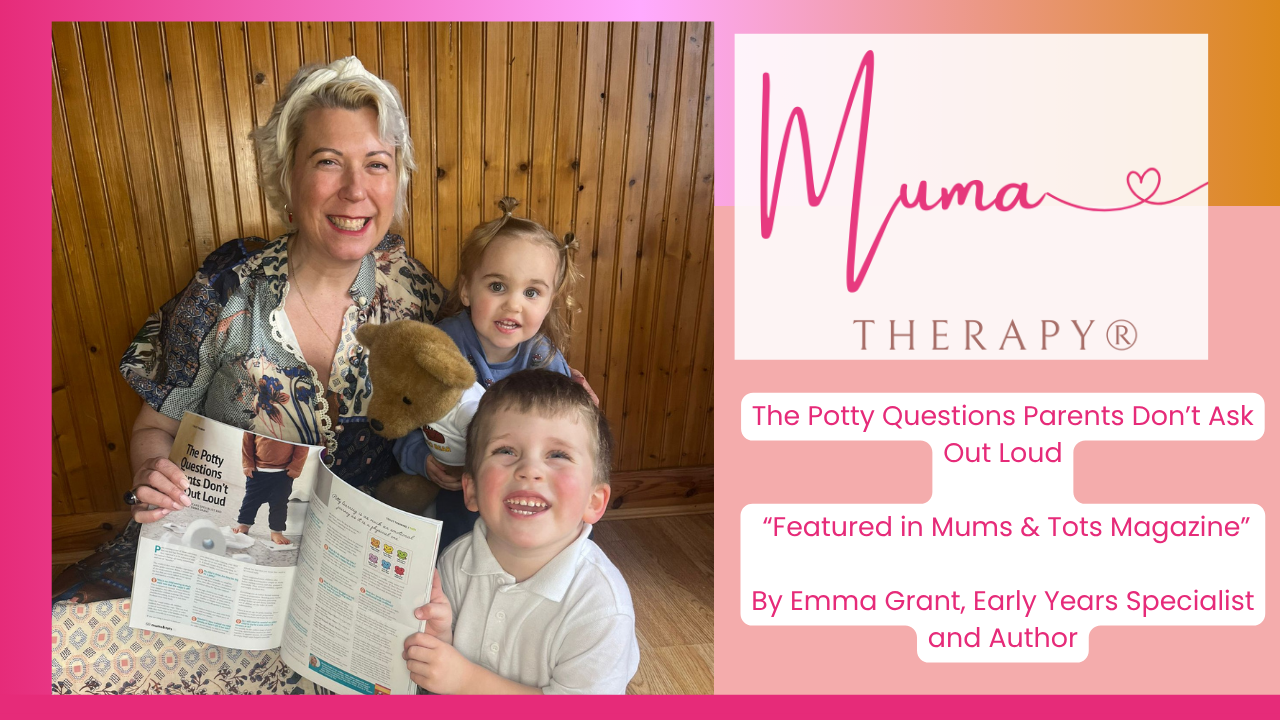
Potty training can feel overwhelming, especially when you are not sure what is normal, what is a phase, and whether you have started too early or too late. Every week I’m asked the same questions about toilet training, early potty training, late potty training, regression, readiness, boys versus girls, and emotional wobbles. If you have ever typed a late-night potty training question into Google and hoped for reassurance rather than judgement, you are not alone.
In the Spring 2026 edition of Mums & Tots Magazine, I answer some of the potty questions parents often think but don’t always say out loud. Before you dive into the full Q and A, here are a few of the worries that come up time and time again.
Have You Ever Wondered…
Why is my child suddenly weeing more now the nappy is off?
Is three too late to start potty training?
Why did everything fall apart around day three?
Should my son wipe or shake after a wee?
Is it normal for my child to touch themselves more now nappies are gone?
Should I put a nappy back on for naps?
How long does potty training actually take?
Most parents assume they are the only ones worrying about these things.
They’re not.
Signs Your Child Is Ready for Potty Training
One of the most searched questions online is: “How do I know if my child is ready for potty training?”
Readiness is rarely about age alone. It is about awareness. Can your child tell you when they are wet or dirty? Do they show interest in the toilet? Can they pull their trousers up and down with some independence? Do they stay dry for short periods?
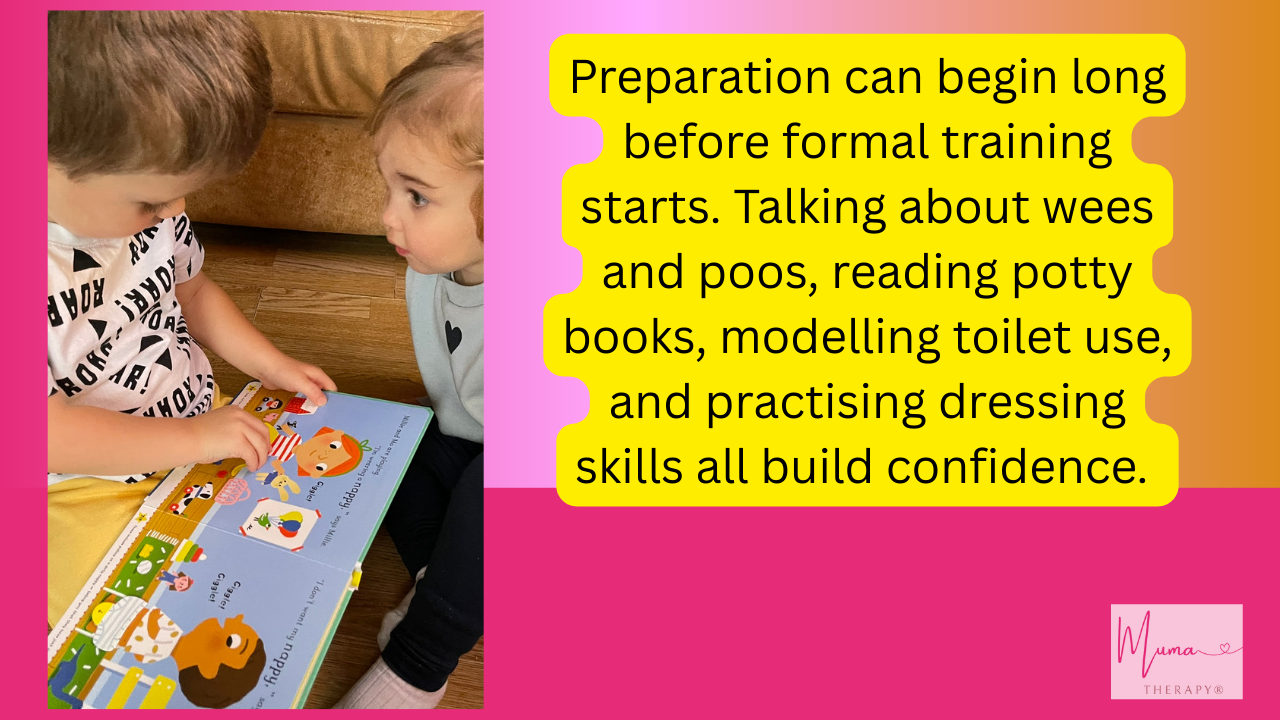
Preparation can begin long before formal training starts. Talking about wees and poos, reading potty books, modelling toilet use, and practising dressing skills all build confidence. When readiness and preparation meet, toilet learning becomes far smoother.
Is Three Too Late to Start Potty Training?
Another common question is: “Is three too late to potty train?”
In most cases, no.
Children ideally need to manage the toilet with growing independence before starting school, but that does not mean they must be trained early. I have supported many children who began toilet learning just weeks before nursery and did beautifully. They were confident, capable and largely accident-free because they were ready.
Equally, I have recently supported a one-year-old who showed clear readiness cues, responded to gentle preparation and picked it up almost immediately. Within a few weeks, accidents were rare.
The point is not the number. It is the readiness.
Everything you do beforehand counts. Emotional maturity, physical development and family circumstances all play a part. There is guidance suggesting earlier gentle preparation, but readiness still leads the way.
Potty -training is not a race. It is a developmental milestone.
A Truth From My Book
One of the biggest myths about potty -training is that it is purely physical.
It isn’t.
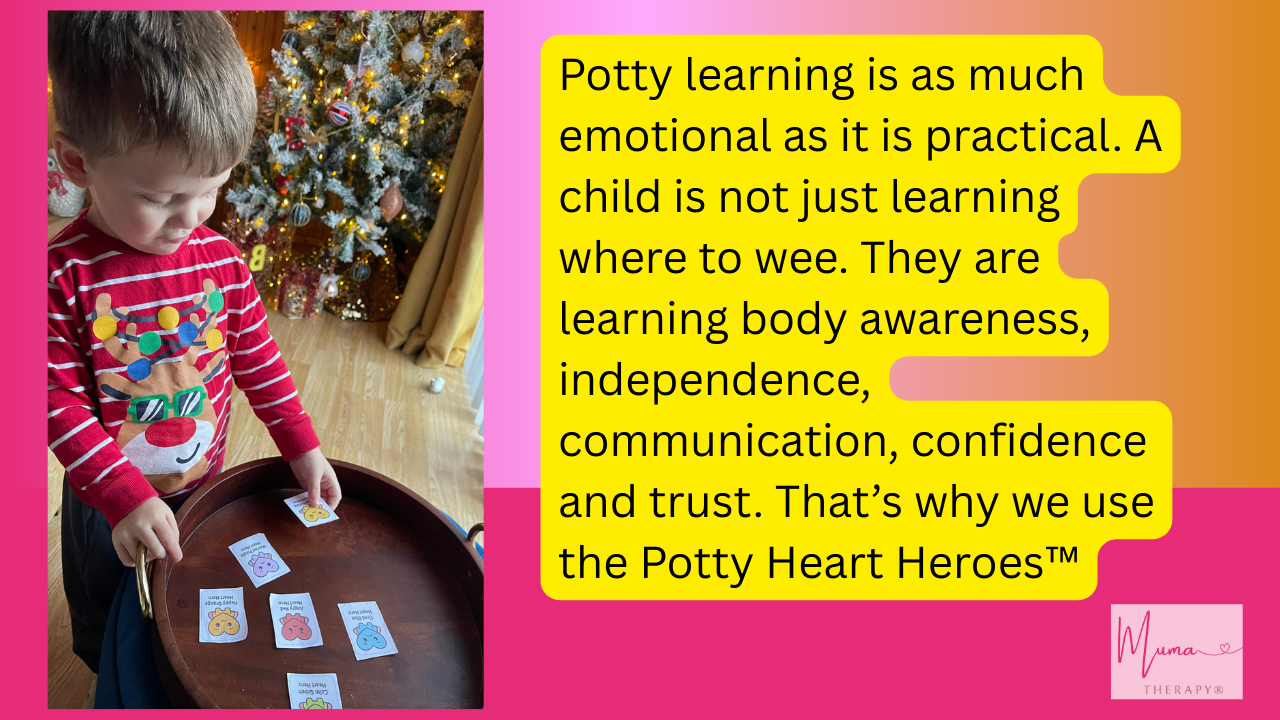
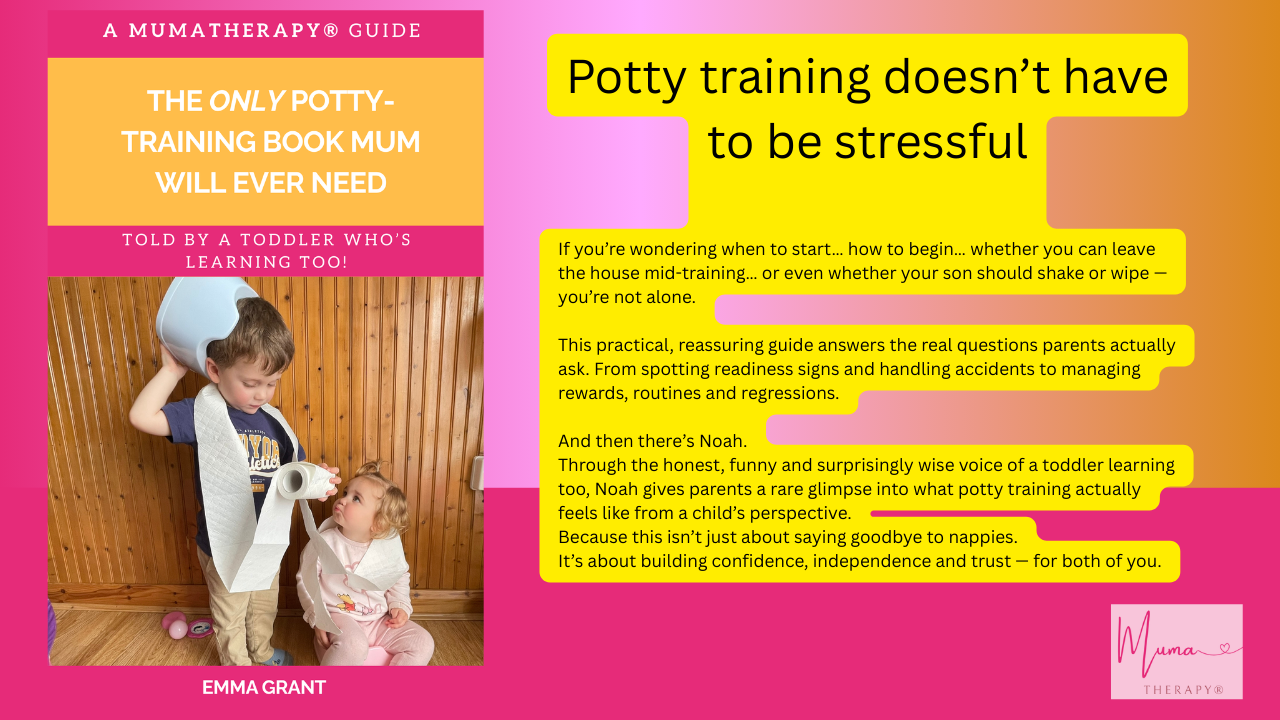
In The Only Potty Training Book Mum Will Ever Need, Told by a Toddler Who Is Learning Too, I explain that potty learning is as much emotional as it is practical. A child is not just learning where to wee. They are learning body awareness, independence, communication, confidence and trust.
When we focus only on dry pants, children can feel pressure. When we focus on connection and understanding instead, the body follows.
Calm preparation matters more than age. Emotional safety matters more than speed.
For Writers and Creatives
Writers often ask me where ideas come from.
The answer is simple: listen carefully to real questions.
Every chapter of my potty training book began with something a parent asked quietly at the school gate or messaged late at night. The same is true for my latest Mums & Tots article.
If you are a writer, your material is already around you. Pay attention to recurring worries. Notice what people whisper rather than announce. That is often where your most meaningful work lives.
From a Mumatherapy Perspective
Potty training is never just about toilet skills.
It is about comparison.
It is about worry.
It is about “shoulds.”
When a child has a wobble around day three, parents often have one too. Doubt creeps in. Anxiety rises. Pressure builds.
Children feel that.
When parents feel calm and regulated, children relax. When children relax, learning happens. That principle runs through everything I teach, whether we are talking about potty training or navigating bigger emotional milestones in motherhood.
Connection first. Confidence follows.
From a Child’s Point of View
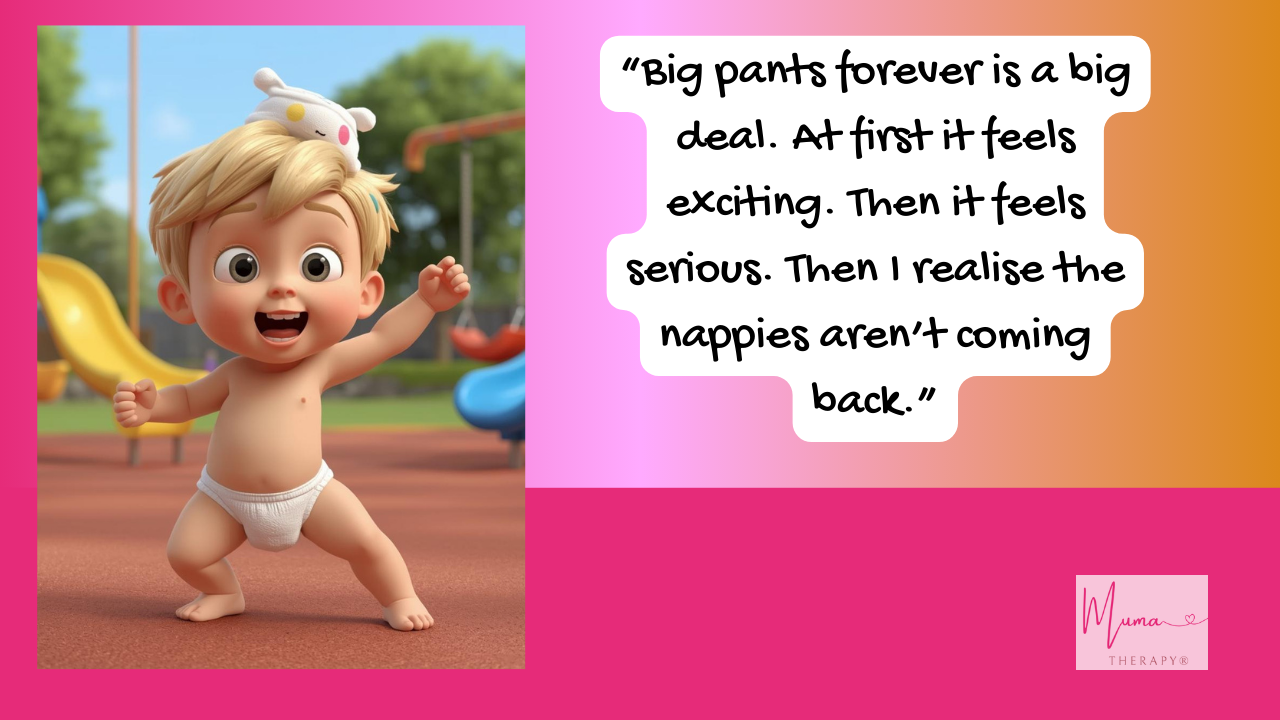
Noah explains it best:
“Big pants forever is a big deal. At first it feels exciting. Then it feels serious. Then I realise the nappies aren’t coming back.”
Children are not being difficult.
They are adjusting.
Their bodies are learning new sensations. Their emotions are catching up. Their confidence grows in stages. Emotional wobbles between days three and seven are common because the novelty wears off and reality sets in.
When we understand that, we respond with empathy instead of frustration.
And everything settles more quickly.
Read the Full Q and A
If you would like full answers to questions such as:
• Should my son wipe or shake?
• What causes potty training regression?
• Is touching private parts normal after nappies come off?
• How do I keep my child motivated and confident?
You can read the complete Q and A in the Spring 2026 edition of Mums & Tots Magazine, out now.
For deeper guidance, reassurance and practical tools, including Potty Heart Heroes™, you can explore:
My latest book:
The Only Potty Training Book Mum Will Ever Need, Told by a Toddler Who Is Learning Too
Free printable Potty Heart Heroes and additional support:
https://www.emmagrantauthor.com/potty-training
Potty- training does not need to be rushed, forced or stressful. With gentle preparation, calm support and confidence in your child’s readiness, it can become a positive milestone for the whole family.
Good luck, you got this Muma!
Em x
Stay connected & join our Newsletter Mumatherapy Motivations with tips & Support to help you to
RELAX, RESTORE & RESET!
Plus download your Free Calm and Confident Potty Training Starter Pack
A simple, gentle toolkit to help your child say goodbye to nappies with confidence.
Inside your free starter pack:
✔ Potty Training At A Glance (your simple step-by-step guide)
✔ Potty Heart Heroes™ (emotional support tool)
✔ Wee and Poo Chart (daily routine tracker)
Don't worry, your information will not be shared.
We hate SPAM. We will never sell your information, for any reason.
